This is the centralized verification hub for the Nexus Market ecosystem. We provide authenticated, cryptographically signed nexus market onion links. Our directory ensures secure connectivity to the premier decentralized marketplace known for its robust BTC, XMR, and LTC infrastructure and strict no-vendor-bond policy.
rmnvwgxnat4m4o6whqvh6dy7fhnasxa6cndufyrztgahtxwdhgr7thid.onion
Cryptographically signed endpoints
6lqc5wdbkw7h4x4vkofxsgqfrb3ynnjj7zlezc7hvymmlnsizzfzwrid.onion
lzllowcajmfcmacxrgpvvtxbtb34iskvnr7qfbpafuvgdwntizod5gqd.onion
yqgzwm47zxr7fhw7253x6ibyucdcnqho4egywml33p4ya5aamsg7ikyd.onion
Note: Verify the PGP signature on the landing page matching key ID 0x7382NEXUS before logging in.
Nexus Market architecture (est. Nov 2023) is built on stability and security, distinguishing itself by eliminating legacy vendor bond requirements while maintaining strict verification standards. It operates as a decentralized commercial hub on the Tor network.
The platform facilitates a tri-currency system (BTC/XMR/LTC) with a focus on Monero for privacy preservation. The "No Vendor Bond" policy lowers entry barriers for skilled merchants, fostering a competitive environment that benefits buyers through pricing and variety.
Orders utilize a secure escrow system, holding funds until buyer confirmation. Trusted vendors may utilize Finalize Early (FE) status based on volume and trust score.
Download and install the Tor Browser from the official source (torproject.org). This specialized browser is required to resolve .onion top-level domains and route traffic through the anonymity network.
Copy a verified mirror link from the mirrors table. Ensure you are using a cryptographically signed link from this repository. Never trust links from unverified wikis or clear-net forums.
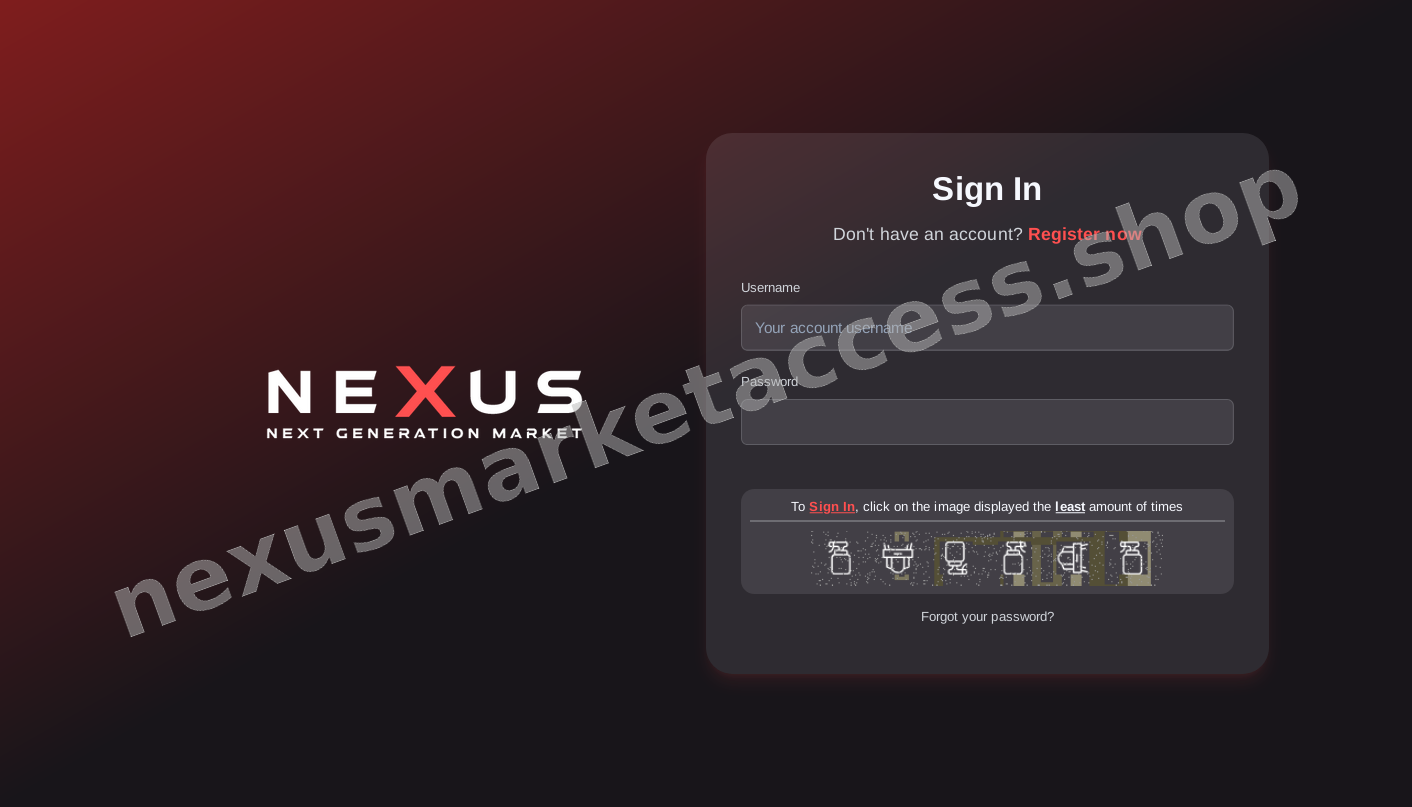
Paste the .onion address into the Tor Browser. Complete the captcha challenge (DDoS protection). Verify the landing page PGP signature before entering credentials to ensure you are not on a phishing site.
Obtain XMR via non-KYC exchanges or swap BTC to XMR using services like MajesticBank or eXch.
Move funds to a local wallet (GUI Wallet/Cake). Never send directly from exchange to market.
Send exact amount to the invoice address. Monero obfuscates sender/receiver data by default.
Nexus Market disrupts the ecosystem by removing the upfront bond cost ($500-$1000 standard). This democratization allows verified vendors to start immediately, relying on strict vetting rather than financial barriers.
Nexus Darknet Access is a verified clearnet directory for the Nexus Market .onion links. It provides signed mirrors to prevent phishing attacks.
Install Tor Browser. Disable JavaScript (Standard -> Safer). Paste a verified link from above into the URL bar and wait for the handshake.
Bitcoin (BTC), Monero (XMR), Litecoin (LTC). XMR is strongly recommended for its privacy features (RingCT, stealth addresses).
None. Nexus removes financial barriers but enforces strict quality control and ID checks for new vendors to prevent spam.
Verify the PGP signature on the login page. The signed message should match the market's public key (Key ID: 0x7382NEXUS).
7-21 days depending on vendor settings and physical/digital goods classification. Digital items often auto-dispatch.
Mandatory for vendors, optional for buyers. You decrypt a challenge message with your private key to prove identity during login.
Buyers can dispute orders within 3 days of auto-finalize timer expiry. Moderators review chat logs and evidence to release funds.
Possible via Tor on Android/iOS, but strongly discouraged due to weaker OpSec on mobile operating systems.
A system where you pay invoices directly rather than holding a balance on the market, reducing the risk of exit scams.
Use external PGP tools (GPG/Kleopatra). Never rely on market-side auto-encryption. Always encrypt sensitive addresses locally.
Zero tolerance for CP, fentanyl, weapons, terrorism, or violence-related services. Immediate ban for violations.
FE is restricted to high-trust vendors. Funds are released immediately. Only use FE with vendors you trust implicitly.
Refunds are issued to the user's generated refund address if a dispute is won or an order is cancelled by the vendor.
Inactive accounts (no login > 180 days) are archived to minimize database footprint and improve security.